Home Page Draft
Ohio State: leading research in criminology, demography, and social inequality

Criminology Studies
Our distinguished faculty and students are tackling the most pressing challenges of our time—from reducing violence and strengthening communities to improving reentry, reforming criminal justice systems, and shaping policies that promote equity and safety.

Demography and Population Studies
At Ohio State, the Department of Sociology’s Population Studies program is ranked among the top 10 in the United States, leading the way in research on birth, death, migration, family life, and population health, helping us understand the past and prepare for the future.

Social Inequality and Mobility
Ohio State is a nationally recognized leader in the study of social inequality and mobility; our faculty are at the forefront of uncovering how social, economic, and educational systems shape opportunity, and how those opportunities can create a more equitable society.
Criminology Studies
Our distinguished faculty and students are tackling the most pressing challenges of our time—from reducing violence and strengthening communities to improving reentry, reforming criminal justice systems, and shaping policies that promote equity and safety.
Demography and Population Studies
At Ohio State, the Department of Sociology’s Population Studies program is ranked among the top 10 in the United States, leading the way in research on birth, death, migration, family life, and population health, helping us understand the past and prepare for the future.
Social Inequality and Mobility
Ohio State is a nationally recognized leader in the study of social inequality and mobility; our faculty are at the forefront of uncovering how social, economic, and educational systems shape opportunity, and how those opportunities can create a more equitable society.
Exploring Possibilities in Sociology at Ohio State
Alumni Impact
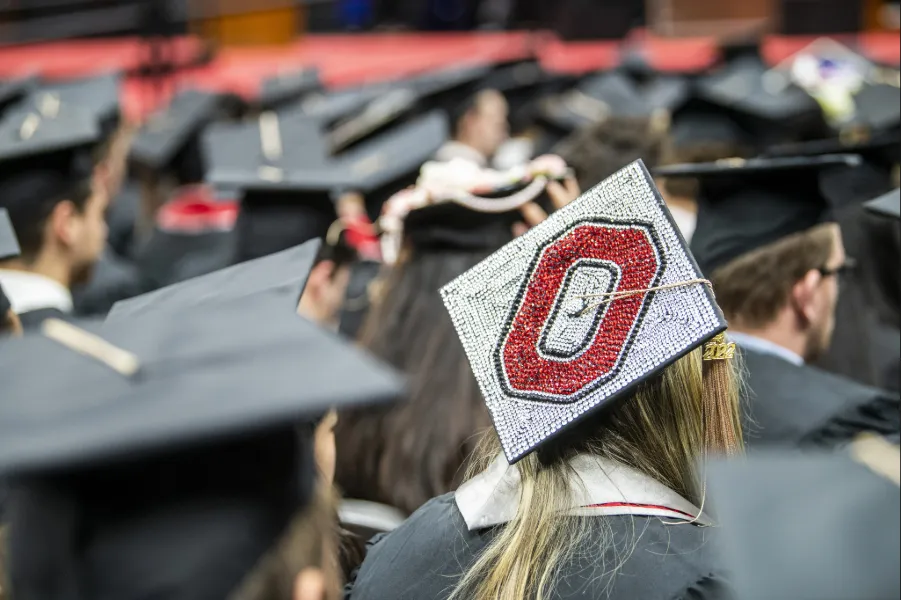
Whether they’re sharing research with journalists, faith leaders, or lawmakers: the work of our alumni makes a difference.
Learn how our alumni make a difference in universities and colleges, government offices, nonprofit organizations, and businesses.