The public assumes young people stopped wanting kids. The data says they didn’t — they want about as many as ever. What changed isn’t desire…
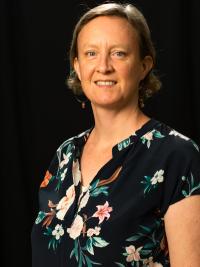
The U.S. birth rate has been falling for years, and the public debate tends to assume young people don’t want as many children as they did in the past. Professor Sarah Hayford, who also directs Ohio State’s Institute for Population Research, shows that it’s more complicated. Her research demonstrates that Americans haven’t changed how many children they want – men and women born in the late 1990s reported wanting about 2.1 children on average, the same as earlier generations. But whether they will be able to carry out those goals is less clear. Working with PhD student Luca Badolato, Hayford found that about half of women who intend to have children are unsure whether they actually will – and many wouldn’t be too bothered if they didn’t.
Moving beyond survey data, Hayford and a team of OSU graduate students conducted in-depth interviews with young people in Columbus. Many wanted children, and all believed parenting was important, challenging work. Their biggest concern was making sure they were emotionally and economically ready to be the best parents they could be before taking on the responsibility. Beyond academic journals, Hayford has shared these findings in presentations to the OSU Retirees Association and an appearance on WOSU’s All Sides with Amy Juravich, and she speaks frequently with reporters.